Black Homeschoolers
Black homeschooling support…
Families of Color Utilizing Home Schooling (FOCUHS)
This list is for Christian families of color who've opted to home educate their children. They exist to offer support, fellowship and to share resources with other African American and bi-racial Christian homeschooling families.
Tips for Cultural Studies in Homeschooling
Here are some tips on how to incorporate cultural studies into your homeschool. This can be used if you are trying to include or highlight your own heritage/ background or if you want to study another culture that is not your own. One of the blessings of home education is that you have the opportunity to study various different world cultures without limitations. You can go beyond the one or two holidays or cultural activities that they may or may not do in the public school system. You can incorporate your culture into every aspect of your curriculum or just highlight some of the major bullet points of your culture. Either way I think these tips give a great starting point to enriching your curriculum program.
Mocha Moms
Mocha Moms, Inc. is a support group for mothers of color who have chosen not to work full-time outside of the home in order to devote more time to their families and communities. Mocha Moms serves as an advocate for those mothers and encourages the spirit of community activism within its membership.
Free Folly: Five Reasons Why Black Families Should Resist Free Virtual Charter Schools
Virtual charter schools are popping up all over the country, providing free computers, textbooks and educational materials to any family who would like to enroll in their program. Jennifer James takes a hard look at how these schools are detrimental to black homeschoolers.
Black Homeschoolers Club
This is a great social networking site for black homeschoolers. It is designed to help share educational goals and curriculum plans as well as connect with other families.
Afrocentric Homeschoolers Association Email Group
Afrocentric Homeschoolers Association Email Group is a discussion group for pro-Black African and/or African Diasporan, Black homeschoolers, unschoolers, deschoolers, and home-based educators everywhere. It is also open to non-homeschoolers and non-Blacks who are trying to teach their children about Blacks. It was founded as a resource for Black homeschoolers, Blacks in Canada, the U.S., Caribbean, and elsewhere, including the African Canadian, African American, African Caribbean, Black European, African, and Black Canadian.
African-American Single Parent Homeschoolers
African-American Single Parent Homeschoolers is a discussion group designed to lend support and resources to parents who are home schooling alone.
Poor Education Prognosis
Drs. Abigail and Stephan Thernstrom's new book "No Excuses: Closing the Racial Gap in Learning" shows that the government education whites receive is nothing to write home about, but for blacks, it's no less than a disgraceful disaster.
Blacks are the largest segment rising in homeschooling
Black parents are now turning to homeschooling their children. After realizing that public schools are failing black children on a massive scale, black parents are turning to homeschooling. This video discusses these issues.
Brown Sugar & Spice Books
Brown Sugar & Spice Books carries African-American children's books, multicultural books, and black history books for adults and children.
Unschooling from an African-American Perspective
A look at unschooling as a philosophy of life from an African-American perspective.
Afrocentric Homeschoolers Association (AHA) Yahoo Group
A discussion group for pro-Black African and/or African Diasporan, Black homeschoolers, unschoolers, deschoolers, home-based educators everywhere. It is also open to non-homeschoolers and non-Blacks who are trying to teach their children about Blacks.
Black Alliance for Educational Options (BAEO)
Black Alliance for Educational Options (BAEO) exists to educate and inform the general public about parental choice initiatives on the local and national level; educate Black families about the numerous educational options available; create, promote and support efforts to empower Black parents to exercise choice in determining how their children are educated; and educate and inform the general public about efforts to reduce or limit educational options available to parents.
African American Unschoolers (AfAmUnschool) Email Group
African American Unschoolers email group is for African-American homeschoolers who use the whole world as their child(ren)'s classroom.
Beyond Statistics: A Real Look At Black Homeschoolers
In the past couple of years the news has been inundated with national, international and local articles reporting the dramatic rise of homeschooling in the African-American community. Although we often get statistics about Black homeschoolers, we rarely get a glimpse of real families. This article takes you into the lives of Black homeschooling families who are taking their children's education into their own hands.
Homeschooling Grows in the Black Community
The best research on homeschooling indicates the total number of children who are homeschooled is 1.5 to 2 million, and that number is growing by 10 to 15 percent per year. But not everyone recognizes the academic and social success of homeschoolers and some criticize the movement as being white and elitist. While it's true that the large majority of homeschool children are white, the number of black homeschoolers is growing rapidly. Brian Ray, president of the National Home Education Research Institute, estimates that there are 30,000 to 50,000 black children being homeschooled today. Others estimate that black homeschoolers make up 5 percent of the total homeschool population. Most importantly black homeschool movement is growing at a faster rate than the general homeschool population.
National African-American Homeschoolers Alliance (NAAHA)
The National African-American Homeschoolers Alliance was born out of a desire to unite African-American homeschoolers nationally. Launched in January 2003, NAAHA is the only nonsectarian organization for African-American home schooling families. The primary objective of NAAHA is to disseminate home schooling information relevant to African-American homeschoolers or to anyone home schooling African-American children. NAAHA's fundamental mission is to consistently provide the latest and the best home school information and resources for members and online guests to enjoy--from home schooling books and curricula to new African-American support groups and organizations. In addition to being an information clearinghouse, NAAHA also provides free educational advisory help from educational professionals and from those with a degreed knowledge of a particular subject.
Large family finds a way to homeschool
This youtube video gives a look into a large successful homeschooling family. This African-American family of seven children has had all children go to college, starting while still in high school.
Footsteps Magazine
Footsteps Magazine is a magazine designed for young people, their parents, and other individuals interested in discovering the scope, substance, and many often unheralded facts of African American heritage. It is an excellent classroom resource for teachers, a valuable research tool for students, and an important vehicle for bringing this rich heritage to people of all backgrounds.
National Black Home Educators Resource Association (NBHERA)
The National Black Home Educators Resource Association (NBHERA) is a resource network founded by Eric and Joyce Burges in July 2000. This association encourages, supports, and offers fellowship to families who are exploring benefits of home education. NBHERA was created to serve the African American community by providing assistance with information about getting started homeschool, networking/connecting veteran families with new families, recommending resources such as books, music, films, speaking information, curriculum, etc. NBHERA’s mission endeavors to empower parents to educate their children for excellence.
Resources
-
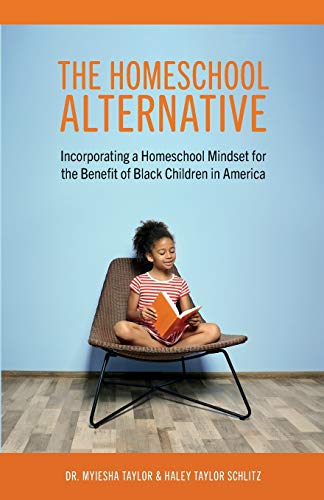
 The Homeschool Alternative: Incorporating a Homeschool Mindset for the Benefit o...
 -
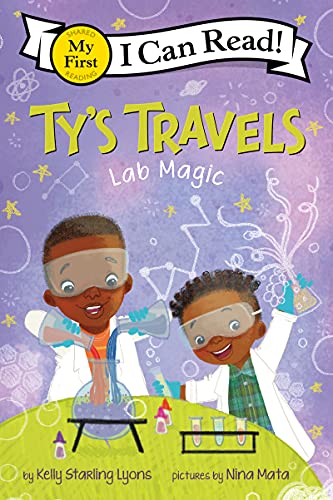
 Ty's Travels: Lab Magic (My First I Can Read)
 -
 Soul School: Taking Kids on a Joy-Filled Journey Through the Heart of Black Amer...
 -
50 Truths They Tried to Erase: Black Power, Culture, and Resistance Uncovered
-
 The Tiny Truths Illustrated Bible
 -
 A Guide to Homeschool Foundational Black American Children
 -
 Black History Activities Workbook, African American History 5th Grade Workbooks ...
 -
 There Was a Black Hole that Swallowed the Universe: A Funny Rhyming Space Book f...


Featured Resources
-
Soul School: Taking Kids on a Joy-Filled Journey Through the Heart of Black Amer...
-
The Homeschool Alternative: Incorporating a Homeschool Mindset for the Benefit o...
-
Ty's Travels: Lab Magic (My First I Can Read)
-
Homeschooling Black Children in the U.S.: Theory, Practice, and Popular Culture ...
-
100 African Americans Who Shaped American History: Incredible Stories of Black H...
-
 A Journey Through Black History: 95 Fun and Educational Activities Based on Infl...


